Back to Blog
Fabric Education

What is Pique Fabric? Complete Guide to Uses, Benefits, and Care

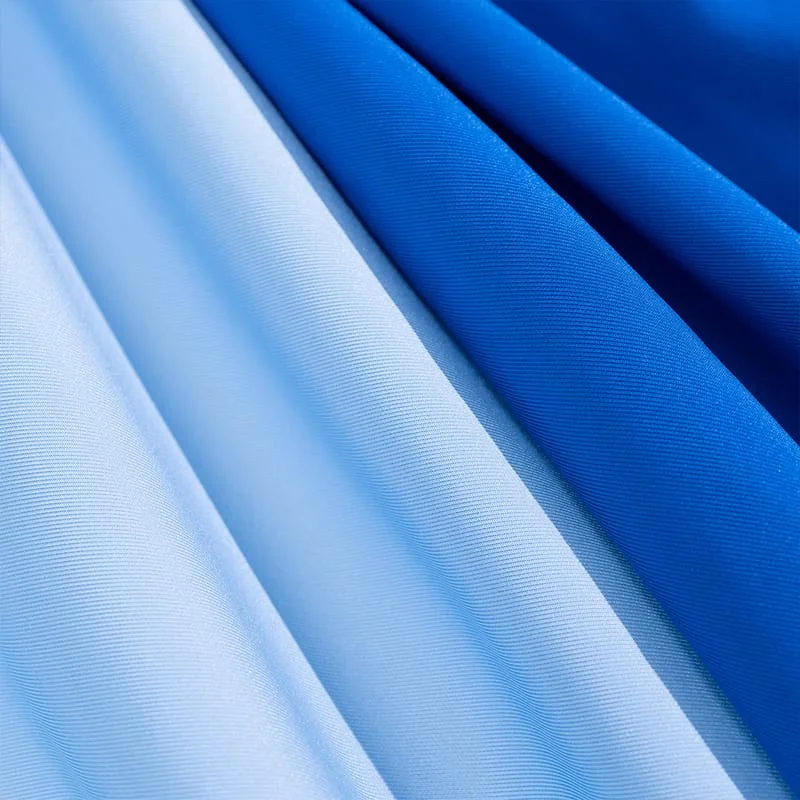
Close-up of pique fabric texture showing raised diamond pattern and breathable structure
ttt ttt
tttt

What is Pique Fabric? Complete Guide to Uses, Benefits, and Care

Pique (pronounced "pee-kay") fabric stands as one of the most recognizable and versatile knitted textiles in the apparel industry. Most commonly associated with polo shirts, pique has evolved far beyond its tennis court origins to become a staple in activewear, school uniforms, corporate wear, and casual fashion.

Understanding Pique Fabric

Definition and Origin

The word "pique" derives from the French "piqué," meaning "quilted" or "stitched." This name perfectly describes the fabric's signature characteristic: a raised, textured surface created through specialized knitting techniques.

Pique fabric gained worldwide recognition in the 1920s when tennis champion René Lacoste developed the iconic polo shirt. Dissatisfied with the uncomfortable woven tennis whites of his era, Lacoste designed a lightweight, breathable knit shirt featuring pique fabric. This innovation revolutionized sportswear and established pique as the premium choice for athletic casual wear.

How Pique Fabric is Made

Pique is created using specialized knitting machines that produce a double-knit structure:

  1. Face layer - Creates the raised geometric pattern (diamonds, squares, or hexagons)
  2. Back layer - Forms the smooth underside that contacts skin
  3. Connecting floats - Link the two layers together
  4. Air pockets - Form between the raised pattern and base layer

This three-dimensional structure differentiates pique from flat jersey knits and provides its unique performance advantages.

Production Method:

  • Circular knitting machines with specialized needle arrangements
  • Controlled stitch formation creates the raised wales (vertical ridges)
  • Precise tension settings ensure consistent texture
  • Can be produced in various weights by adjusting yarn thickness and stitch density

Types of Pique Patterns

1. Bird's Eye Pique (Diamond Pique)

The most traditional and widely recognized pique pattern, featuring small diamond-shaped raised dots across the surface.

Characteristics:

  • Diamond dots typically 3-5mm in size
  • Classic appearance synonymous with polo shirts
  • Balanced breathability and durability
  • Professional, timeless aesthetic

Best For: Traditional polo shirts, golf apparel, corporate casual wear

2. Honeycomb Pique (Waffle Pique)

Features hexagonal (honeycomb) or square (waffle) patterns with more pronounced texture than bird's eye.

Characteristics:

  • Deeper texture with more prominent air pockets
  • Enhanced breathability vs. bird's eye
  • More casual, textured appearance
  • Greater surface area for moisture evaporation

Best For: Summer athletic wear, casual polo shirts, breathable activewear

Huada Creation Product: HD8008 Cotton-like Waffle (200-280gsm) offers pronounced waffle texture in three weight options.

3. Double Pique

Extra-thick construction with enhanced durability and more substantial hand feel.

Characteristics:

  • Heavier weight (typically 280-320gsm)
  • Exceptionally durable
  • More structured appearance
  • Superior shape retention

Best For: School uniforms, workwear, applications requiring maximum durability

Huada Creation Products:

  • HD8067 Cotton-like Pique (300gsm, 100% Polyester) - Heavy-duty for school uniforms
  • HD8076 School Uniform Health Cloth (300gsm, 92% Polyester / 8% Spandex) - Durable with stretch

4. Lightweight Pique

Thinner construction (180-220gsm) for warm weather comfort.

Characteristics:

  • Lightweight, breathable
  • Softer drape than heavy pique
  • Retains textured appearance
  • Quick-drying

Best For: Summer polo shirts, warm-climate athletic wear, fashion tops

Huada Creation Products:

  • HD8137 Double Yarn Pique (180-210gsm, 100% Polyester) - Summer weight
  • HD8153 Tencel Pique (190-210gsm, 100% Polyester) - Premium soft feel
  • HD8299-1 Cloud-feel Pique (200gsm, 100% Polyester) - Ultra-soft texture
  • HD8087 Single Hole Pique (220gsm, 100% Polyester) - Quick-dry performance

Key Benefits of Pique Fabric

1. Superior Breathability

The textured surface creates physical space between fabric and skin, allowing continuous air circulation.

Performance Data:

  • 20-30% better air permeability than flat jersey
  • Reduced skin contact area minimizes sweat accumulation
  • Air pockets facilitate convective cooling
  • Ideal for warm weather and active use

Why it matters:

  • Keeps wearers cooler during physical activity
  • Reduces clamminess and discomfort
  • Extends wearable time before laundering needed
  • Critical for sports and outdoor applications

2. Excellent Moisture Management

While not as aggressive as technical mesh fabrics, pique offers balanced moisture handling:

Moisture Benefits:

  • Textured surface prevents fabric from clinging when wet
  • Air pockets accelerate evaporation
  • Quick-drying compared to flat knits (40-50% faster than cotton)
  • Maintains comfort during perspiration

3. Professional Appearance

Pique strikes the perfect balance between casual comfort and business-appropriate styling:

Aesthetic Advantages:

  • Subtle texture adds visual interest without being loud
  • Maintains crisp appearance throughout wear
  • More structured than jersey, less formal than woven shirts
  • Resists wrinkling better than flat knits
  • Appropriate for business-casual environments

4. Exceptional Durability

The double-knit construction makes pique significantly more durable than single-knit jerseys:

Durability Features:

  • Resistant to pilling and abrasion
  • Maintains shape after repeated washing (100+ cycles typical)
  • Less prone to snags than single knits
  • Color retention excellent (especially polyester versions)
  • Dimensional stability (minimal stretching/shrinking)

Lifespan Comparison:

  • Pique polo shirt: 2-3 years of regular wear
  • Jersey t-shirt: 1-2 years of regular wear
  • Makes pique more cost-effective despite higher initial cost

5. Comfortable Hand Feel

Despite the textured appearance, quality pique fabric remains soft against skin:

Comfort Factors:

  • Raised texture is smooth, not rough or scratchy
  • Double-knit structure provides substance without stiffness
  • Modern polyester versions rival cotton softness
  • Flexible and non-restrictive for movement

6. Easy Care and Maintenance

Particularly for polyester-based pique fabrics:

Care Advantages:

  • Machine washable, no special handling required
  • Quick-drying (air-dry in 2-4 hours)
  • Minimal to no ironing needed
  • Resistant to shrinking (polyester <2% shrinkage)
  • Color-fast with proper dyeing (AATCC Grade 4+)
  • Suitable for commercial laundering (uniforms)

Common Applications of Pique Fabric

Polo Shirts (Primary Application)

Pique fabric and polo shirts are virtually synonymous. The fabric provides:

Performance: Breathability for golf, tennis, and casual sports Appearance: Professional enough for corporate casual Versatility: Appropriate from country club to casual Friday

Market Segments:

  • Athletic brands (golf, tennis, sailing)
  • Fashion brands (Ralph Lauren, Lacoste, Tommy Hilfiger)
  • Corporate uniform programs
  • Promotional/branded merchandise

School Uniforms

Heavy-weight pique (280-320gsm) dominates school uniform markets due to:

Durability: Withstands daily wear and frequent washing Professional Look: Maintains neat appearance all day Easy Care: Parents appreciate low-maintenance fabric Cost-Effective: Longer lifespan vs. lighter alternatives Variety: Available in all standard uniform colors

Huada Creation Uniform Solutions:

  • HD8067 (300gsm) - Heavy-duty cotton-like pique
  • HD8076 (300gsm) - School uniform health cloth with stretch

Sportswear and Activewear

Beyond traditional polo shirts, pique appears in:

Tennis and Golf Apparel:

  • Performance polo shirts
  • Tennis dresses and skirts
  • Golf quarter-zips

Court Sports:

  • Referee uniforms
  • Coaching apparel
  • Casual team wear

Athletic Leisure:

  • Athleisure tops
  • Casual training wear
  • Warm-up apparel

Corporate and Workwear

Businesses choose pique for branded uniforms because:

Professional Image: Elevated vs. basic t-shirts Durability: Cost-effective for high-use applications Branding: Excellent surface for embroidery Comfort: Employees prefer breathable fabrics Consistency: Maintains appearance across wash cycles

Common Industries:

  • Retail and hospitality
  • Sales teams
  • Customer service
  • Healthcare (casual scrubs)
  • Technology companies (casual uniforms)

Casual Fashion

Fashion brands use pique for:

  • Casual polo shirts and tops
  • Dresses and skirts
  • Athleisure collections
  • Premium t-shirts
  • Textured fashion pieces

Fabric Weight Guide for Pique

Selecting the right weight is critical for application success:

Lightweight Pique (170-210gsm)

Characteristics:

  • Soft, flowing drape
  • Maximum breathability
  • Subtle texture
  • Less structured

Best For:

  • Summer polo shirts
  • Warm-climate wear
  • Fashion applications
  • Casual, relaxed fit styles

Considerations:

  • May be more sheer (check opacity)
  • Less durable than heavier weights
  • Better for occasional wear than daily use

Huada Products: HD8137 (180-210gsm), HD8153 (190-210gsm), HD8299-1 (200gsm), HD8087 (220gsm)

Medium Weight Pique (220-280gsm)

Characteristics:

  • Balanced drape and structure
  • Good year-round versatility
  • Clear textured appearance
  • Moderate durability

Best For:

  • Year-round polo shirts
  • Corporate casual wear
  • Versatile activewear
  • General-purpose applications

Considerations:

  • May be too warm for very hot climates
  • May lack durability for heavy-duty uniform use

Heavy Weight Pique (285-320gsm)

Characteristics:

  • Substantial hand feel
  • Maximum durability
  • Pronounced texture
  • Excellent shape retention
  • More structured appearance

Best For:

  • School uniforms
  • Heavy-duty workwear
  • Corporate uniforms with daily wear
  • Applications requiring maximum lifespan

Considerations:

  • Less suitable for hot weather
  • May feel stiff initially (softens with washing)
  • Higher material cost

Huada Products: HD8067 (300gsm), HD8076 (300gsm)

Fiber Content Options

100% Cotton Pique

Traditional Choice - Natural Fiber

Advantages:

  • Natural breathability
  • Soft, familiar hand feel
  • Excellent moisture absorption
  • Perception of premium quality
  • Suitable for sensitive skin

Disadvantages:

  • Prone to shrinking (3-5% typical, up to 8% without pre-shrinking)
  • Wrinkles easily, requires ironing
  • Slower drying than synthetics
  • Color fading over time
  • Higher cost than polyester
  • Less dimensional stability

Best For:

  • Premium polo shirts
  • Luxury casual wear
  • Consumers preferring natural fibers
  • Fashion applications where aesthetics trump performance

100% Polyester Pique

Modern Performance Choice

Advantages:

  • Superior moisture-wicking (vs. cotton absorption)
  • Quick-drying (2-3x faster than cotton)
  • Minimal shrinkage (<2%)
  • Wrinkle-resistant, no ironing needed
  • Excellent color retention
  • More cost-effective than cotton
  • Durable, long-lasting

Disadvantages:

  • Can retain odors more than cotton (modern treatments mitigate this)
  • Less soft than cotton initially (though modern polyester very soft)
  • Not biodegradable
  • May feel less "natural" to some consumers

Best For:

  • Sportswear and activewear
  • School uniforms
  • Corporate uniforms
  • High-use applications
  • Performance-focused garments

All Huada Creation pique fabrics use 100% polyester for optimal performance, durability, and easy care.

Cotton/Polyester Blends (50/50 or 65/35)

Compromise Option

Characteristics:

  • Attempts to balance natural feel with performance
  • 65/35 cotton/poly common for uniforms
  • 50/50 provides balanced properties
  • Moderate shrinkage (2-3%)

Advantages vs. 100% Options:

  • Softer than 100% polyester
  • Better performance than 100% cotton
  • Reduced shrinkage vs. cotton
  • More affordable than pure cotton

Disadvantages:

  • Doesn't excel in any single area
  • Still wrinkles (less than cotton)
  • Still shrinks (less than cotton)
  • Less moisture-wicking than polyester

Polyester/Spandex Pique

Stretch Performance Option

Common Ratios: 92/8, 95/5, or 88/12

Advantages:

  • Enhanced comfort and fit
  • Better shape retention
  • Improved recovery after stretching
  • Ideal for fitted athletic polo shirts
  • 4-way stretch when cut on bias

Applications:

  • Performance golf shirts
  • Fitted polo shirts
  • Athletic wear requiring stretch
  • Fashion applications with fitted styling

Huada Creation Product: HD8076 (300gsm, 92% Polyester / 8% Spandex) - Durable school uniform fabric with stretch comfort.

Quality Indicators for Pique Fabric

When sourcing or evaluating pique fabric, assess these factors:

1. Texture Uniformity

Look for:

  • Consistent pattern across entire fabric width
  • Uniform spacing of textured elements
  • No distorted or irregular areas
  • Clean, well-defined raised pattern

Red Flags:

  • Wavy or distorted patterns
  • Inconsistent texture depth
  • Areas of flat fabric where texture should exist
  • Thick/thin bands indicating tension issues

2. Fabric Weight Consistency

Standards:

  • Weight variation <5% across roll
  • Consistent GSM measurement from beginning to end
  • Uniform thickness when held to light

Testing: Request fabric weight documentation with measurements from multiple roll sections.

3. Color Fastness

AATCC Standards (American Association of Textile Chemists and Colorists):

Wash Fastness:

  • Grade 4 or higher - Minimal to no color loss after washing
  • Grade 3 - Noticeable fading (avoid)
  • Critical for garments requiring frequent laundering

Crocking (Rub Fastness):

  • Grade 4 or higher - No color transfer when rubbed
  • Particularly important for dark colors
  • Test both wet and dry crocking

Light Fastness:

  • Grade 4+ for outdoor use - Resists UV fading
  • Important for sportswear and outdoor applications

Request laboratory test reports from suppliers for color fastness certification.

4. Pilling Resistance

ASTM D3512 Test Standard:

Grades (1-5 scale, 5 = best):

  • Grade 4-5: Excellent, minimal pilling
  • Grade 3.5-4: Good, acceptable for most uses
  • Grade 3 or lower: Problematic, will pill noticeably

Why it matters: Pilling creates a worn, fuzzy appearance that reduces garment lifespan and professional appearance. Critical for uniform programs and quality apparel.

Modern polyester pique typically achieves Grade 4+ when properly manufactured.

5. Dimensional Stability

Shrinkage Standards:

Polyester Pique:

  • <2% shrinkage after washing (excellent)
  • 2-3% acceptable
  • 3% problematic for fitted garments

Cotton Pique:

  • 3-5% typical (acceptable if pre-shrunk)
  • 5% problematic

Skewing (Fabric Twist):

  • <2% skewing after washing
  • Fabric grain should remain perpendicular
  • Excessive skewing causes garment twist

Testing: Request pre-production shrinkage testing data, especially for uniform programs where sizing consistency is critical.

6. Surface Smoothness

Quality Indicators:

  • Smooth raised texture (not rough or scratchy)
  • No excessive hairiness or loose fibers
  • Clean appearance under magnification
  • Consistent hand feel across fabric

7. Structural Integrity

Check for:

  • No holes or dropped stitches
  • Consistent knit structure
  • Tight, secure stitches
  • No runs or weak areas

Care and Maintenance of Pique Fabric

Washing Instructions

For Polyester Pique (Huada Creation Products):

Temperature:

  • Machine wash warm or cold (30-40°C / 85-105°F)
  • Hot water unnecessary and may set stains

Detergent:

  • Use mild detergent
  • Avoid fabric softeners - They coat fibers and reduce moisture-wicking performance
  • Oxygen-based stain removers safe for polyester

Cycle:

  • Normal cycle suitable for most uses
  • Gentle cycle for premium/fashion items
  • Wash dark colors separately for first 2-3 washes

Load Size:

  • Don't overload washer (allows proper agitation)
  • Turn garments inside out to protect surface and embroidery

For Cotton Pique:

  • Wash in cold water to minimize shrinkage
  • Expect 3-5% shrinkage on first wash even with cold water
  • Pre-wash fabric before cutting/sewing when possible

Drying Instructions

Polyester Pique:

Tumble Dry:

  • Low heat setting
  • Remove promptly when dry to minimize wrinkles
  • Over-drying can damage spandex if present

Air Dry:

  • Hang on hanger or lay flat
  • Dries in 2-4 hours typically
  • Energy-efficient and extends fabric life
  • No heat damage risk

Cotton Pique:

  • Tumble dry low heat or air dry
  • Remove while slightly damp (10-15% moisture) to reduce wrinkles
  • High heat causes excessive shrinkage and fiber damage

Ironing

Polyester Pique:

  • Minimal to no ironing typically required
  • If needed: Low heat setting (110-130°C / 230-265°F)
  • Iron on reverse side to protect textured surface
  • Steam can help remove stubborn wrinkles
  • Never use high heat (melts polyester)

Cotton Pique:

  • Medium heat setting (150-180°C / 300-355°F)
  • Iron while slightly damp for best results
  • Steam iron effective for wrinkle removal

Stain Removal

Pique's textured surface can trap stains more than smooth fabrics:

General Guidelines:

  • Treat stains promptly before washing
  • Blot, don't rub - Rubbing damages knit structure and spreads stain
  • Work from outside of stain inward to prevent spreading

Polyester Pique Stain Treatment:

Oil-Based Stains (food grease, oil):

  • Apply dish soap directly to stain
  • Let sit 5-10 minutes
  • Wash in warm water

Protein Stains (blood, grass, sweat):

  • Soak in cold water with enzyme detergent
  • Never use hot water (sets protein stains)
  • Oxygen bleach effective for whites

Dye Transfer:

  • Soak in oxygen bleach solution
  • Wash immediately after discovery
  • Never use chlorine bleach on polyester (causes yellowing)

Set-in Stains:

  • Apply oxygen bleach paste, let sit overnight
  • Wash in warm water with oxygen bleach
  • May require multiple treatments

Storage

Best Practices:

  • Hang on hangers for polo shirts (prevents creasing)
  • Store in cool, dry location away from direct sunlight
  • Ensure garments completely dry before storage (prevents mildew)
  • Use cedar or lavender for natural moth protection (cotton blends)

Commercial Laundering

For uniform programs:

Compatible with:

  • Commercial/industrial washers
  • Higher temperatures (up to 60°C / 140°F for polyester)
  • Tunnel washers and batch washers
  • Commercial dryers

Considerations:

  • Test wash samples before full program
  • Monitor for excessive wear from harsh chemicals
  • Use appropriate cycle for fabric weight

Comparing Pique to Other Fabrics

Pique vs. Jersey

Feature Pique Jersey
Texture Raised, dimensional Smooth, flat
Breathability Excellent (20-30% better) Good
Appearance Professional, structured Casual, relaxed
Durability Excellent (double-knit) Moderate (single-knit)
Pilling Resistant More prone
Cost Higher Lower
Best Use Polo shirts, uniforms T-shirts, casual wear

Choose Pique When: Professional appearance, durability, and breathability are priorities

Choose Jersey When: Soft drape, printing surface, and cost-effectiveness matter most

Pique vs. Mesh

Feature Pique Mesh
Breathability Excellent Maximum
Appearance Professional, versatile Athletic, technical
Opacity Excellent May require lining
Durability Excellent Good (depends on type)
Formality Business-casual appropriate Strictly athletic
Moisture Management Very good Excellent

Choose Pique When: Balance of performance and professional appearance needed

Choose Mesh When: Maximum ventilation is priority and athletic appearance acceptable

Pique vs. Oxford/Poplin (Woven Fabrics)

Feature Pique (Knit) Oxford/Poplin (Woven)
Stretch Good natural stretch Minimal stretch
Comfort Very comfortable More restrictive
Formality Business casual Business formal
Wrinkle Resistance Good (polyester) Poor (requires ironing)
Breathability Excellent Moderate
Durability Excellent Excellent

Choose Pique When: Comfort and flexibility matter, business-casual appropriate

Choose Woven When: Formal dress code requires more structured shirt

Sourcing Pique Fabric

Minimum Order Quantities (MOQ)

Typical MOQs by Supplier Type:

Large Mills:

  • Stock colors: 500-1,000 meters minimum
  • Custom colors: 1,500-3,000 meters per color
  • Custom specifications: 3,000+ meters

Medium Suppliers:

  • Stock fabrics: 300-500 meters
  • Custom colors: 1,000-1,500 meters
  • May accommodate smaller orders with surcharge

Stock Fabric Distributors:

  • Sometimes 50-100 meters for stock items
  • Limited color selection
  • Higher per-meter cost

Huada Creation: Contact for current MOQ requirements based on specification and customization level.

Lead Times

Stock Fabrics (Standard Colors):

  • In-stock: 1-2 weeks (production + shipping)
  • Confirmation to delivery: 2-3 weeks

Custom Colors (Standard Construction):

  • Lab dip approval: 1 week
  • Production: 2-3 weeks
  • Total: 3-4 weeks from order

Custom Specifications:

  • Sample development: 2-3 weeks
  • Approval and adjustments: 1-2 weeks
  • Production: 3-4 weeks
  • Total: 6-8 weeks from initial inquiry

Factors Affecting Lead Time:

  • Order volume (larger = faster per-meter)
  • Complexity of specification
  • Season (peak seasons add 1-2 weeks)
  • Factory capacity utilization

Pricing Factors

Cost Drivers:

Fiber Content:

  • 100% Polyester: Baseline cost
  • Cotton blends: 15-25% premium
  • 100% Cotton: 30-50% premium
  • Spandex content: 10-15% premium

Fabric Weight:

  • Heavier fabrics cost more (more material)
  • Typical range: Lightweight = baseline, Heavy = +20-30%

Order Volume:

  • Economies of scale significant
  • 1,000 meters: Baseline price
  • 3,000 meters: 10-15% discount
  • 5,000+ meters: 20-25% discount

Customization:

  • Stock colors: No premium
  • Custom color matching: 5-10% premium
  • Custom weight/construction: 10-20% premium
  • Special finishes: 15-30% premium

General Pricing Ranges (FOB China, 2026):

  • Lightweight polyester pique (180-210gsm): $2.00-3.00/meter
  • Medium weight polyester pique (220-280gsm): $2.50-3.50/meter
  • Heavy weight polyester pique (300-320gsm): $3.00-4.50/meter

Prices vary significantly based on specification, volume, and market conditions. Contact Huada Creation for current pricing.

Sustainability Considerations

Polyester Pique Sustainability

Recycled Polyester Options:

  • Made from post-consumer PET bottles
  • Reduces petroleum dependency by 50-70%
  • Performance equivalent to virgin polyester
  • Global Recycled Standard (GRS) certification available
  • Typically 5-10% cost premium

Environmental Benefits:

  • Lower water usage in dyeing vs. cotton (40-60% less)
  • No pesticides (unlike cotton)
  • Longer garment lifespan = fewer replacements
  • Recyclable at end of life (closed-loop systems emerging)

Environmental Drawbacks:

  • Petroleum-based (virgin polyester)
  • Microplastic shedding during washing
  • Not biodegradable
  • Energy-intensive production

Cotton Pique Sustainability

Organic Cotton Options:

  • GOTS (Global Organic Textile Standard) certified
  • No synthetic pesticides or fertilizers
  • Better for farm workers and environment
  • Typically 30-50% cost premium

Conventional Cotton Concerns:

  • Heavy water usage (2,700 liters per t-shirt)
  • Pesticide intensive (25% of global pesticide use)
  • Land intensive cultivation

Manufacturing Sustainability

Huada Creation's Initiatives:

  • Water consumption reduced 60% through advanced dyeing equipment
  • Fabric waste recycling program (40% landfill reduction)
  • Energy-efficient computerized knitting machines
  • Biodegradable finishing agents where applicable
  • Continuous R&D for reduced environmental impact

Certifications to Request:

  • OEKO-TEX Standard 100 (harmful substance testing)
  • GRS (Global Recycled Standard) for recycled content
  • GOTS (organic cotton)
  • ISO 14001 (environmental management)

Conclusion

Pique fabric represents the ideal intersection of performance, professional appearance, and durability. Its distinctive textured surface provides superior breathability while maintaining a polished aesthetic appropriate for environments from the tennis court to the boardroom.

Key Takeaways:

  1. Definition: Double-knit fabric with raised geometric texture creating air pockets between fabric and skin

  2. Primary Benefit: 20-30% better breathability than flat jersey while maintaining professional appearance

  3. Common Applications: Polo shirts, school uniforms, corporate wear, sportswear

  4. Weight Selection:

    • Lightweight (180-220gsm): Summer wear, casual use
    • Medium (220-280gsm): Year-round versatility
    • Heavy (300+gsm): Uniforms, durability-critical applications
  5. Fiber Content: 100% polyester offers best performance and easy care; cotton provides natural feel but requires more maintenance

  6. Quality Factors: Look for texture uniformity, AATCC Grade 4+ color fastness, ASTM Grade 3.5+ pilling resistance, <2% shrinkage

  7. Care: Machine wash cold/warm, tumble dry low, minimal ironing (polyester), treat stains promptly

At Huada Creation, our comprehensive pique fabric range spans from lightweight 180gsm summer-weight options to heavy-duty 300gsm school uniform fabrics. With 100% polyester construction, advanced manufacturing quality control, and consistent supply chain performance, we provide pique solutions for every application and market segment.

Whether you're developing a corporate uniform program, launching a premium polo shirt line, or outfitting an entire school district, understanding pique fabric's unique properties empowers you to make informed sourcing decisions that balance performance, appearance, durability, and cost.


Explore Huada Creation Pique Fabrics:

ttt