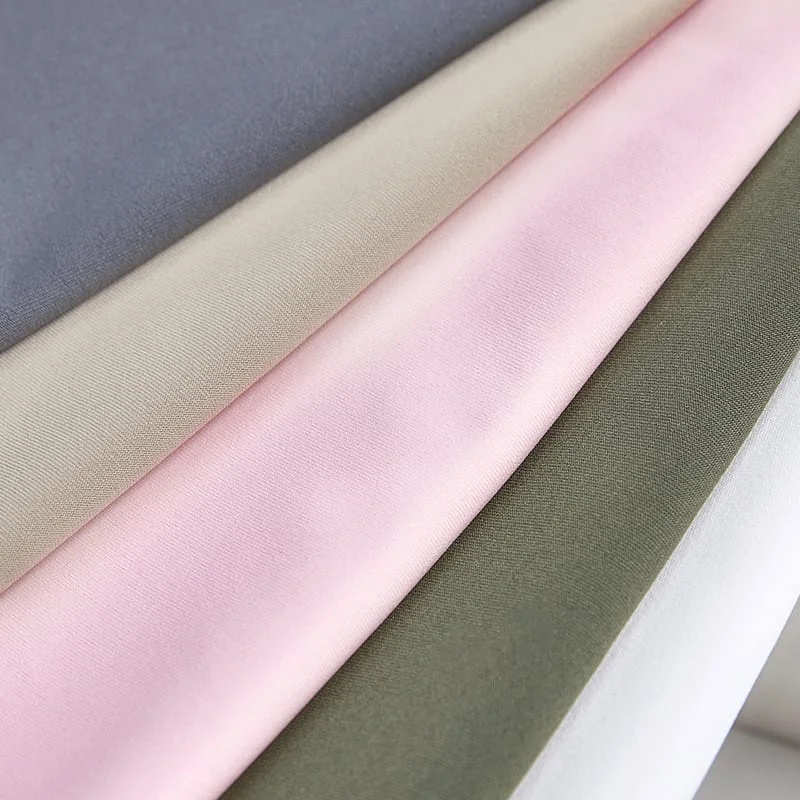
Understanding Fabric Weight: Complete GSM Guide for Activewear
Fabric weight is one of the most critical yet often misunderstood specifications in textile selection. Whether you're developing a summer running line or winter activewear collection, understanding GSM (grams per square meter) empowers you to make informed decisions that directly impact product performance, customer satisfaction, and manufacturing costs.
What is GSM?
GSM (Grams Per Square Meter) is the standard metric measurement for fabric weight. It represents how many grams one square meter of fabric weighs.
Example: A fabric rated at 200gsm means that one square meter (approximately 10.76 square feet) of that fabric weighs 200 grams (about 7 ounces).
Other Weight Measurements
While GSM is the international standard, you may encounter other measurements:
Oz/yd² (Ounces per Square Yard):
- Common in the United States
- Conversion: GSM ÷ 33.9 = oz/yd²
- Example: 200gsm = 5.9 oz/yd²
Momme (mm):
- Traditional silk measurement (rarely used for activewear)
- 1 momme = 4.34 gsm
For this guide, we'll focus on GSM as it's the universal standard in activewear manufacturing and what you'll encounter when sourcing fabrics from China and other Asian manufacturers.
Why Fabric Weight Matters
Fabric weight impacts virtually every aspect of garment performance and customer experience:
1. Performance and Functionality
Lightweight fabrics (100-150gsm):
- Faster moisture evaporation
- Better for hot weather and high-intensity activities
- Less insulation (cooler)
- Maximum breathability
Heavyweight fabrics (280-350gsm):
- Better insulation and warmth
- More wind resistance
- Greater durability
- More structure and support
2. Comfort and Feel
Hand feel correlation:
- Lightweight: Delicate, flowing, barely-there feel
- Medium weight: Substantial but comfortable, most versatile
- Heavyweight: Cozy, warm, structured
Drape characteristics:
- Lighter fabrics: More fluid drape, cling to body
- Heavier fabrics: Stiffer drape, more structured silhouette
3. Opacity and Coverage
Critical for activewear:
- Lightweight fabrics (<180gsm) may be sheer, especially when stretched
- Medium weights (200-240gsm) generally provide good opacity
- Heavyweight (260+gsm) excellent coverage even in light colors
The "squat test" for yoga pants and leggings requires minimum 220-240gsm to maintain opacity during movement.
4. Durability and Longevity
General correlation:
- Heavier fabrics typically last longer
- More fiber content = better abrasion resistance
- Important for school uniforms, workwear
- Trade-off: Added weight and cost
5. Cost Implications
Direct cost relationship:
- Heavier fabric = more material = higher cost
- Typically increases 10-15% per 50gsm increment
- Example: 150gsm costs ~$2.50/meter, 250gsm costs ~$3.50/meter
Value consideration: Heavier fabrics may cost more upfront but last longer, potentially offering better total cost of ownership.
6. Seasonal Appropriateness
Temperature regulation:
- 100-150gsm: Summer, hot climates, high-intensity
- 180-220gsm: Spring/fall, moderate climates, versatile
- 240-280gsm: Cool weather, layering pieces
- 300+gsm: Winter, cold climates, outerwear
GSM Categories and Applications
Ultra-Lightweight: 100-130gsm
Characteristics:
- Extremely thin, almost translucent
- Maximum breathability and airflow
- Very fast drying (1-2 hours)
- Delicate, requires careful handling
- Minimal insulation
Best Applications:
- Summer running tops in hot climates
- Racing singlets and performance wear
- Ultralight packable jackets
- High-intensity training in heat
Considerations:
- May be sheer (opacity issues)
- Less durable than heavier options
- Can feel insubstantial to some consumers
- May require lining in certain applications
Huada Products:
- HD8399 Ultra-thin Diang Plain (120gsm, 100% Polyester) - Breathable, quick-dry
- HD8001 Bird's Eye Mesh (135gsm, 100% Polyester) - Lightweight mesh
Ideal For: Competitive athletes, hot climate markets, weight-conscious performance wear
Lightweight: 135-180gsm
Characteristics:
- Thin but not transparent (in most colors)
- Excellent breathability
- Quick-drying (2-3 hours)
- Comfortable, barely-there feel
- Light insulation
Best Applications:
- T-shirts and casual athletic tops
- Summer athletic wear
- Running shorts and lightweight pants
- Warm-weather casual activewear
- Training apparel
Considerations:
- Adequate opacity in dark colors
- Light colors may show undergarments
- Good durability for casual use
- May not provide enough structure for some applications
Huada Products:
- HD8306 Matte Small Mesh (150gsm, 100% Polyester) - Quick-dry mesh
- HD7906 Four-way Grid (150gsm, 92% Polyester / 8% Spandex) - Lightweight stretch
- HD8536 Invisible Grid (160gsm, 100% Polyester) - Subtle texture
- HD8210 Polyester Spandex Jacquard (160gsm, 92/8) - Elegant pattern
- HD8357 Rib Fabric (160gsm, 100% Polyester) - Stretch ribbing
- HD7901 Great Wall Grid (160gsm, 92/8) - Distinctive pattern
- HD8317 Crystal Grid (165gsm, 100% Polyester) - Lightweight texture
- HD8300 Strip Grid (165gsm, 84% Polyester / 16% Spandex) - High stretch
- HD6850 Eyelet Mesh (170gsm, 92/8) - 4-way stretch mesh
- HD7928 Cotton-like Jersey (170gsm, 95% Polyester / 5% Spandex) - Soft feel
- HD8386 North Star (170gsm, 87% Polyester / 13% Spandex) - Star pattern
- HD8521 Crystal Hemp (170gsm, 100% Polyester) - Hemp-like texture
- HD8193 Anta Stretch (170-180gsm, 86% Polyester / 14% Spandex) - High stretch
- HD7887 Cotton-like Fish Scale (180gsm, 100% Polyester) - Unique texture
- HD8039 Milk Silk (180gsm, 95% Polyester / 5% Spandex) - Silky smooth
- HD8137 Double Yarn Pique (180-210gsm, 100% Polyester) - Lightweight pique
- HD8066 Okinawa Sweatshirt (180-280gsm, 100% Polyester) - Multiple weights
Ideal For: Summer collections, casual activewear lines, cost-conscious brands, hot climate markets
Medium-Light: 185-220gsm
Characteristics:
- Balanced weight - not too heavy, not too light
- Good opacity in most colors
- Versatile for multiple seasons
- Comfortable for all-day wear
- Moderate insulation
Best Applications:
- Year-round t-shirts and tops
- Versatile activewear (gym to street)
- Casual leisure wear
- Light hoodies and pullovers
- Training apparel
- Yoga tops (with proper opacity)
Considerations:
- Sweet spot for many applications
- Most popular weight category
- Good performance-to-cost ratio
- Appeals to broad consumer base
Huada Products:
- HD8153 Tencel Pique (190-210gsm, 100% Polyester) - Premium soft pique
- HD7916 Terry Cloth (190-320gsm, 100% Polyester) - Terry, multiple weights
- HD8316 Starry Sky (190gsm, 88% Polyester / 12% Spandex) - Star pattern
- HD8299-1 Cloud-feel Pique (200gsm, 100% Polyester) - Ultra-soft pique
- HD8391 Good Luck Grid (200gsm, 100% Polyester) - Grid pattern
- HD8008 Cotton-like Waffle (200-280gsm, 100% Polyester) - Waffle texture
- HD14328 Japanese Hoodie Fabric (200-250gsm, 100% Polyester) - Premium sweatshirt
- HD8503 Denim-like Fabric (210gsm, 45% Rayon / 2% Spandex / 53% Polyester) - Denim look
- HD8578 Lycra Yoga Fabric (210gsm, 80% Nylon / 20% Spandex) - Premium yoga
- HD8087 Single Hole Pique (220gsm, 100% Polyester) - Quick-dry pique
- HD8058 Small Twill (220-260gsm, 100% Polyester) - Subtle twill
Ideal For: Core activewear collections, versatile product lines, year-round offerings, mainstream market
Medium: 225-280gsm
Characteristics:
- Noticeable substance and weight
- Excellent opacity (even in light colors)
- Good warmth without bulk
- Substantial hand feel
- Better durability
Best Applications:
- Hoodies and sweatshirts
- Cool-weather activewear
- Yoga pants and leggings (opacity critical)
- Athletic warmup suits
- Fall/winter training wear
- School uniforms and workwear
Considerations:
- May be too warm for summer or hot climates
- Higher material cost
- Excellent for stretch applications (leggings)
- Professional, substantial appearance
Huada Products:
- HD8200 Beauty Strip (230gsm, 94% Polyester / 6% Spandex) - Striped pattern
- HD8029 Distressed Look (240-310gsm, 100% Polyester) - Multiple weights, unique texture
- HD8108 Four-way Grid Spandex (240-280gsm, 95% Polyester / 5% Spandex) - Grid with stretch
- HD8328 Michelin Pattern (240gsm, 100% Polyester) - Unique texture
- HD8052 Large Twill (260-310gsm, 100% Polyester) - Bold twill pattern
- HD8319 Twill Grid (260gsm, 100% Polyester) - Textured surface
- HD8096 Pineapple Grid (260gsm, 100% Polyester) - Distinctive pattern
- HD8097 Rice Grid (260-280gsm, 100% Polyester) - Grid pattern
- HD7978a Cotton-like Fleece (260-320gsm, 100% Polyester) - Warm fleece
- HD8379 Twin Straight Grain (280gsm, 100% Polyester) - Textured
- HD7912 Printed Fabric (280gsm, 95% Cool Cotton / 5% Spandex) - Printed designs
Ideal For: Cold-weather collections, yoga/legging lines, school uniforms, premium activewear
Heavy: 285-350gsm
Characteristics:
- Substantial, heavy hand feel
- Maximum warmth and insulation
- Excellent durability (200+ washes)
- Very opaque, even when stretched
- Structured appearance
Best Applications:
- Winter hoodies and sweatshirts
- Heavy-duty school uniforms
- Workwear and corporate uniforms
- Outdoor/cold weather activewear
- Fleece jackets and warmup suits
- Durable athletic apparel
Considerations:
- Too warm for most climates except winter
- Higher cost (more material)
- May feel bulky to some consumers
- Excellent for institutional/uniform use
Huada Products:
- HD8220 Xiduoduo (290gsm, 100% Polyester) - Popular pattern knit
- HD8067 Cotton-like Pique (300gsm, 100% Polyester) - Heavy-duty school uniform
- HD8076 School Uniform Health Cloth (300gsm, 92% Polyester / 8% Spandex) - Durable with stretch
- HD8352 Swallow Pattern (310gsm, 98% Polyester / 2% Spandex) - Floral pattern
- HD8320 Colorful Rubik's Cube (300gsm, 100% Polyester) - Unique design
- HD8331A Dazzling Fleece (320gsm, 100% Polyester) - Colorful warm fleece
- HD8375 Twill Fleece (330gsm, 100% Polyester) - Maximum warmth, textured
Ideal For: School uniform programs, winter collections, workwear, maximum durability requirements
How to Choose the Right GSM
Step 1: Define Your Application
Ask yourself:
- What activity is this for? (running, yoga, casual, etc.)
- What season/climate? (summer, winter, year-round)
- What is the priority? (performance, durability, cost, comfort)
Step 2: Consider Your Target Market
Consumer Expectations:
- Performance athletes: Prefer lightweight (120-180gsm)
- Yoga enthusiasts: Medium-heavy for opacity (220-260gsm)
- Casual activewear: Medium-light for versatility (180-220gsm)
- School uniforms: Heavy for durability (280-320gsm)
Step 3: Test Opacity (If Applicable)
For bottoms, leggings, light-colored tops:
- Stretch fabric to maximum
- Hold up to light
- Check for see-through areas
- Minimum 220gsm recommended for most leggings
- 240-260gsm ideal for light-colored leggings
Step 4: Evaluate Seasonal Needs
Climate-Based Selection:
| Climate/Season | Tops | Bottoms |
|---|---|---|
| Hot Summer | 100-150gsm | 160-200gsm |
| Warm/Spring/Fall | 160-200gsm | 200-240gsm |
| Cool/Autumn | 200-250gsm | 220-260gsm |
| Cold/Winter | 260-320gsm | 240-280gsm |
Step 5: Balance Cost vs. Performance
Cost-Performance Matrix:
- Budget lines: 150-200gsm (lower cost, adequate performance)
- Mid-range: 200-240gsm (best value, versatile)
- Premium: 240-300gsm (higher cost, superior performance/durability)
Step 6: Order Samples
Always test before committing:
- Order 2-3 different weights of same fabric
- Wear test in intended conditions
- Wash test (check shrinkage, pilling, color retention)
- Stretch test (check opacity, recovery)
- Compare hand feel
GSM Testing and Verification
How GSM is Measured
Standard Testing Method (ASTM D3776):
- Cut precise 100cm x 100cm sample (1 square meter)
- Condition fabric (65% humidity, 20°C, 24 hours)
- Weigh on calibrated scale
- Weight in grams = GSM
Practical Sampling:
- Most suppliers measure smaller samples and calculate
- Industry-standard fabric cutters used
- Multiple samples taken across fabric width
- Average calculated
Acceptable Tolerances
Industry Standards:
- ±5% variance generally acceptable
- Example: 200gsm fabric should be 190-210gsm
- ±3% or less indicates excellent quality control
Red Flags:
- Variance >8% indicates quality control problems
- Inconsistency across fabric width
- Different weights in same roll
Requesting GSM Verification
When ordering samples or production:
- Request GSM measurement documentation
- Ask for multiple measurements across width
- Specify your acceptable tolerance range
- Third-party lab testing for large orders
Common GSM Misconceptions
Myth 1: "Heavier is Always Better Quality"
Reality: Weight appropriate to application indicates quality. An excellent 150gsm running fabric is higher quality than a poor 300gsm fabric used for the same purpose.
Myth 2: "GSM Directly Correlates to Thickness"
Reality: Fabric construction affects thickness. A tightly knit 200gsm fabric may be thinner than a loosely knit 180gsm fabric.
Myth 3: "Same GSM = Same Performance"
Reality: Two 200gsm fabrics can perform very differently based on:
- Fiber type (polyester vs. cotton)
- Yarn construction
- Knit structure (mesh vs. solid)
- Finishing treatments
Myth 4: "Lightweight Fabrics Won't Last"
Reality: Modern lightweight technical fabrics (120-150gsm) can be extremely durable with proper construction. Polyester mesh at 135gsm can outlast cotton jersey at 200gsm.
GSM and Garment Weight
Calculating Finished Garment Weight
General Formula: Garment weight (grams) = (Pattern area in m²) × GSM × Fabric efficiency
Example: Women's T-shirt
- Pattern uses approximately 1.2m² fabric
- Fabric: 180gsm
- Efficiency: 85%
- Garment weight: 1.2 × 180 × 0.85 = 183 grams
Typical Garment Weights:
- Women's t-shirt (180gsm): 180-220g
- Men's t-shirt (200gsm): 250-300g
- Hoodie (280gsm): 600-800g
- Yoga pants (240gsm): 250-350g
Why This Matters
Shipping costs: Lighter fabrics reduce shipping costs (significant for DTC brands)
Comfort: Some consumers prefer lightweight, others substantial feel
Packaging: Lighter garments pack smaller (important for retail)
Comprehensive Huada Product GSM Matrix
By Weight Category
Ultra-Lightweight (100-130gsm):
- HD8399 (120gsm)
Lightweight (135-180gsm):
- HD8001 (135gsm), HD8306 (150gsm), HD7906 (150gsm), HD8536 (160gsm), HD8210 (160gsm), HD8357 (160gsm), HD7901 (160gsm), HD8317 (165gsm), HD8300 (165gsm), HD6850 (170gsm), HD7928 (170gsm), HD8386 (170gsm), HD8521 (170gsm), HD8193 (170-180gsm), HD7887 (180gsm), HD8039 (180gsm), HD8137 (180-210gsm), HD8066 (180-280gsm)
Medium-Light (185-220gsm):
- HD8153 (190-210gsm), HD7916 (190-320gsm), HD8316 (190gsm), HD8299-1 (200gsm), HD8391 (200gsm), HD8008 (200-280gsm), HD14328 (200-250gsm), HD8503 (210gsm), HD8578 (210gsm), HD8087 (220gsm), HD8058 (220-260gsm)
Medium (225-280gsm):
- HD8200 (230gsm), HD8029 (240-310gsm), HD8108 (240-280gsm), HD8328 (240gsm), HD8052 (260-310gsm), HD8319 (260gsm), HD8096 (260gsm), HD8097 (260-280gsm), HD7978a (260-320gsm), HD8379 (280gsm), HD7912 (280gsm)
Heavy (285-350gsm):
- HD8220 (290gsm), HD8067 (300gsm), HD8076 (300gsm), HD8352 (310gsm), HD8320 (300gsm), HD8331A (320gsm), HD8375 (330gsm)
By Application
Running/High-Intensity:
- HD8399 (120gsm), HD8001 (135gsm), HD8306 (150gsm), HD6850 (170gsm)
Yoga/Pilates:
- HD8578 (210gsm), HD8193 (170-180gsm), HD8300 (165gsm), HD8039 (180gsm)
Casual Activewear:
- HD7928 (170gsm), HD7887 (180gsm), HD8137 (180-210gsm), HD8299-1 (200gsm)
School Uniforms:
- HD8067 (300gsm), HD8076 (300gsm)
Hoodies/Sweatshirts:
- HD8066 (180-280gsm), HD14328 (200-250gsm), HD7978a (260-320gsm), HD8331A (320gsm), HD8375 (330gsm)
Leggings/Bottoms:
- HD8578 (210gsm), HD8193 (170-180gsm) for lightweight, HD8108 (240-280gsm) for opacity
Price Impact of GSM
General Pricing Relationships
Based on typical polyester knitted fabric (2026 FOB China):
| GSM Range | Price/Meter | Relative Cost |
|---|---|---|
| 100-150gsm | $2.00-2.80 | Baseline |
| 160-200gsm | $2.40-3.20 | +15-20% |
| 210-260gsm | $3.00-3.80 | +35-50% |
| 270-320gsm | $3.60-4.50 | +60-80% |
Variables affecting pricing:
- Fiber content (spandex adds 10-15%)
- Fabric construction complexity
- Special finishes or treatments
- Order volume (larger = lower per-meter cost)
- Custom colors vs. stock
Cost-Benefit Analysis
Lightweight (150gsm) vs. Medium (220gsm):
- Price difference: ~$0.60/meter
- For 1,000 t-shirts: ~$600 material cost difference
- But: Lightweight may wear out faster, require more frequent replacement
- Medium weight: Better durability, customer satisfaction, fewer returns
Consider Total Cost of Ownership:
- Initial fabric cost
- Customer satisfaction (fewer returns)
- Brand reputation
- Replacement frequency
Sustainability and GSM
Material Efficiency
Lighter fabrics:
- Use less raw material (lower environmental footprint per garment)
- Reduce shipping weight (lower carbon emissions)
- Less water in dyeing/finishing
Heavier fabrics:
- Last longer (fewer replacements needed)
- May have lower total lifecycle impact despite higher initial resource use
Recycled Content
GSM consistency important:
- Recycled polyester available in all GSM ranges
- Performance equivalent to virgin
- Typically 5-10% cost premium (narrowing in 2026)
- GRS certification available
Conclusion: Your GSM Selection Checklist
Before selecting fabric weight, answer these questions:
What is the primary activity?
- Running/intense: 120-180gsm
- Yoga/stretch: 200-260gsm
- Casual: 180-220gsm
- Winter/warmth: 260-320gsm
What climate/season?
- Hot/summer: 120-180gsm
- Moderate: 180-240gsm
- Cool/winter: 260-320gsm
Is opacity critical? (leggings, light colors)
- Yes: Minimum 220gsm, prefer 240-260gsm
- No: Focus on other properties
What is your quality/price positioning?
- Budget: 150-200gsm
- Mid-range: 200-240gsm
- Premium: 240-300gsm
What is expected lifespan?
- Disposable fast fashion: 150-180gsm acceptable
- Long-lasting quality: 220-280gsm
- Maximum durability (uniforms): 280-320gsm
Have you tested samples?
- Always order 2-3 weights to compare
- Wear test in actual conditions
- Wash test for shrinkage, pilling
Final Recommendation: When in doubt, choose the medium-light to medium range (200-240gsm). This sweet spot provides:
- Good opacity
- Adequate durability
- Year-round versatility
- Reasonable cost
- Broad consumer appeal
At Huada Creation, our extensive range spans from ultra-lightweight 120gsm performance fabrics to heavy-duty 330gsm fleece, with precise GSM control (±3% tolerance), comprehensive testing documentation, and expert guidance to help you select the perfect weight for your application.
Understanding GSM empowers you to make informed fabric choices that align with your product vision, market positioning, and customer expectations—ultimately creating activewear that performs beautifully and satisfies your target audience.
Explore Huada Fabrics by Weight: