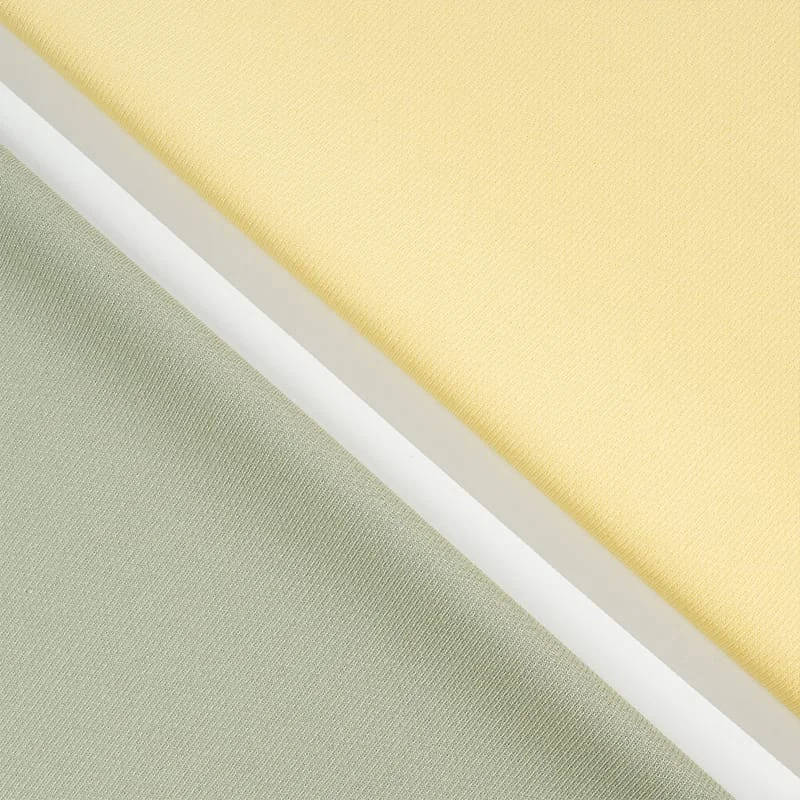
School Uniform Fabric Selection: Durability Meets Comfort
School uniforms demand fabrics that withstand daily wear, frequent washing, active play, and still look professional at day's end—all while remaining affordable for families and schools. The right fabric choice significantly impacts parent satisfaction, student comfort, and total program cost.
Critical Requirements
1. Durability (200+ Wash Cycles)
Why It Matters:
- Students wear uniforms 180+ days per year
- Weekly washing minimum (often more)
- Rough play, sports, active movement
- Must last full school year (ideally 2-3 years)
Testing Standard:
- ASTM D3886: Abrasion resistance
- Target: 15,000+ Martindale cycles
- Heavy-duty school wear: 20,000+ cycles
2. Professional Appearance
Requirements:
- Maintains shape after washing
- Resists wrinkling
- Color-fast (no fading)
- Professional look throughout day
- Withstands backpack wear
3. Easy Care (Parents' Priority)
Parents Demand:
- Machine washable
- No ironing required
- Quick-drying
- No shrinkage
- Stain-resistant helpful
4. Comfort (All-Day Wear)
Students Need:
- Breathable for all-day comfort
- Not restrictive
- Comfortable in classroom and playground
- Temperature-appropriate
5. Cost-Effective
Budget Considerations:
- Initial cost vs. longevity
- Replacement frequency
- Volume pricing
- Total cost of ownership
Recommended Fabric: Heavy Pique (300gsm)
Why Pique Dominates School Uniforms:
Structure Advantages
Double-Knit Construction:
- Inherently more durable than jersey
- Resists pilling and abrasion
- Maintains shape after washing
- Professional textured appearance
Weight: 280-320gsm ideal
- Substantial enough for durability
- Not so heavy as to be uncomfortable
- Year-round appropriate
Performance Benefits
Breathability:
- Textured surface prevents clinging
- Air pockets enhance ventilation
- More comfortable than flat knits
- Reduces sweat accumulation
Professional Appearance:
- Structured, polished look
- Maintains crisp appearance
- Wrinkle-resistant
- Suitable for dress code requirements
Durability:
- 200-300 wash cycles typical
- Resistant to pilling (ASTM D3512 Grade 4+)
- Color-fast (AATCC Grade 4-5)
- Withstands daily wear
Huada School Uniform Fabrics
HD8067 Cotton-like Pique (300gsm, 100% Polyester)
Specifications:
- Weight: 300gsm (heavy-duty)
- Composition: 100% Polyester
- Construction: Double-knit pique
- Width: 180cm
Performance:
- Excellent durability (200+ washes)
- Professional appearance
- Easy care (no ironing)
- Minimal shrinkage (<2%)
Best For:
- Standard school uniforms
- Polo-style uniform shirts
- Year-round wear
- Maximum durability priority
Pricing: Mid-range, excellent value for longevity
HD8076 School Uniform Health Cloth (300gsm, 92/8 Poly/Spandex)
Specifications:
- Weight: 300gsm
- Composition: 92% Polyester / 8% Spandex
- Construction: Pique with stretch
- Width: 180cm
Performance:
- All HD8067 benefits PLUS:
- Enhanced comfort from spandex
- Better fit and movement
- Still durable (spandex adds comfort without sacrificing longevity)
Best For:
- Active students
- Schools prioritizing comfort
- Modern uniform programs
- Premium positioning
Pricing: Moderate premium over HD8067 (~10-15%)
Testing Standards for School Uniforms
Abrasion Resistance (ASTM D3886)
Method: Martindale abrasion tester
Targets:
- Minimum: 15,000 cycles
- Recommended: 20,000+ cycles
- HD8067/HD8076: 20,000-25,000 cycles
Why It Matters:
- Backpack straps
- Desk/chair friction
- Playground activity
- Daily wear and tear
Pilling Resistance (ASTM D3512)
Grading Scale: 1-5 (5 = no pilling)
Targets:
- Minimum: Grade 3.5
- Recommended: Grade 4.0
- Excellent: Grade 4.5+
HD8067/HD8076: Grade 4.0-4.5
Why It Matters:
- Professional appearance
- Parent satisfaction
- Reduces replacement frequency
Color Fastness (AATCC Standards)
Wash Fastness (AATCC 61):
- Target: Grade 4-5
- HD8067/HD8076: Grade 4-5
- No noticeable fading through 100+ washes
Crocking/Rub Fastness (AATCC 8):
- Target: Grade 4 (wet and dry)
- HD8067/HD8076: Grade 4
- No color transfer when wet
Why It Matters:
- Color consistency across students
- Professional appearance maintained
- No "faded uniform" look
Dimensional Stability
Shrinkage After Washing:
- Polyester Target: <2%
- HD8067/HD8076: <2%
Why It Matters:
- Sizing consistency
- Fit maintained through lifespan
- No "outgrown due to shrinkage" issues
Why Polyester Over Cotton/Blends
Polyester Advantages
Easy Care:
- No ironing required (wrinkle-resistant)
- Machine wash/dry without special care
- Dries in 2-3 hours (vs. 6-8 for cotton)
- Parents appreciate minimal maintenance
No Shrinkage:
- <2% vs. 3-8% for cotton
- Sizing consistency critical for uniforms
- Fit maintained throughout ownership
Durability:
- 200+ wash cycles (vs. 75-100 for cotton)
- Better color retention
- Pilling resistance superior
- Lower replacement frequency
Cost-Effective:
- Lower initial cost than cotton
- Longer lifespan = better value
- Fewer replacements needed
Cotton Disadvantages for Uniforms
Shrinkage:
- 3-5% typical (even pre-shrunk)
- Fit issues after washing
- Sizing challenges
Wrinkles:
- Requires ironing
- Time-consuming for parents
- Looks rumpled by end of day
Lower Durability:
- 75-100 wash cycles typical
- More frequent replacement
- Higher long-term cost
Slower Drying:
- 6-8 hours vs. 2-3 for polyester
- Inconvenient for busy families
Fabric Weight Recommendations
260-280gsm: Acceptable
Pros:
- Adequate durability
- Lighter weight
- Lower cost
Cons:
- May wear out faster
- Less professional appearance
- May become sheer over time
Best For: Budget-conscious programs, warmer climates
300-320gsm: Recommended (Sweet Spot)
Pros:
- Excellent durability (200+ washes)
- Professional appearance
- All-season appropriate
- Best value long-term
Cons:
- Slightly higher initial cost
Best For: Most school uniform programs
Huada Products: HD8067 (300gsm), HD8076 (300gsm)
330-350gsm: Maximum Durability
Pros:
- Maximum longevity
- Very professional appearance
- Ideal for rough use
Cons:
- Higher cost
- May be too warm in hot climates
- Heavier feel
Best For: Cold climates, maximum durability requirements
Color Options
Standard School Uniform Colors:
- White
- Navy blue
- Royal blue
- Light blue
- Black
- Burgundy/maroon
- Hunter green
- Red
Color Fastness Critical: All colors should achieve AATCC Grade 4-5 wash fastness.
Custom Color Matching:
- MOQ typically 1,500-3,000 meters for custom colors
- Lab dip approval process
- Pantone matching available
Cost Analysis: Total Cost of Ownership
Scenario: 1,000 Student Uniform Program
Option A: Budget Cotton Blend (220gsm)
- Fabric cost per shirt: $2.50
- Lifespan: 75 washes (1 school year)
- Replacement frequency: Annual
- 3-year cost per student: $7.50 (3 shirts)
- Total 3-year program cost: $7,500
Option B: HD8067 Heavy Pique (300gsm)
- Fabric cost per shirt: $3.25
- Lifespan: 200+ washes (2-3 school years)
- Replacement frequency: Every 2-3 years
- 3-year cost per student: $6.50 (2 shirts)
- Total 3-year program cost: $6,500
Savings with HD8067: $1,000 over 3 years (13% savings)
Plus Intangibles:
- Parent satisfaction (easy care, durability)
- Professional appearance maintained
- Fewer complaints
- Better school image
Sourcing Considerations
Minimum Order Quantities
Stock Colors:
- 500-1,000 meters minimum typical
- Huada: Contact for current MOQ
Custom Colors:
- 1,500-3,000 meters minimum
- Color matching fee may apply
Volume Discounts:
- 3,000+ meters: 10-15% discount typical
- 5,000+ meters: 20-25% discount
Lead Times
Stock Fabrics:
- In stock: 1-2 weeks
- Production: 2-3 weeks
- Total: 3-4 weeks
Custom Colors:
- Lab dip: 1 week
- Approval: 3-5 days
- Production: 3-4 weeks
- Total: 5-6 weeks
Plan Ahead: Order 8-10 weeks before school year starts
Implementation Tips
Pilot Program
Before Full Rollout:
- Order samples of 2-3 fabric options
- Make 10-20 test uniforms
- Distribute to students for 2-3 week wear test
- Gather parent feedback
- Wash test 10+ cycles
- Evaluate durability, appearance, comfort
Parent Communication
Key Messages:
- Easy care (no ironing)
- Durable (multi-year lifespan)
- Professional appearance
- Cost-effective long-term
- Testing/quality standards met
Sizing Guidance
Account For:
- Minimal shrinkage (<2% polyester)
- Growth room (children grow!)
- Stretch if using HD8076 (allows broader fit range)
Conclusion
Heavy-weight pique fabric (280-320gsm) in 100% polyester or polyester/spandex blend provides the ideal combination of durability, professional appearance, easy care, and cost-effectiveness for school uniforms.
Key Takeaways:
- 300gsm pique is sweet spot - Durability + appearance + value
- Polyester superior to cotton - Easy care, no shrink, durable
- Testing standards matter - Grade 4+ pilling and color fastness
- Long-term value - Higher quality pays off in reduced replacements
- 8% spandex adds comfort - Without sacrificing durability
Huada Solutions:
- HD8067 (300gsm, 100% Poly) - Excellent all-purpose choice
- HD8076 (300gsm, 92/8) - Premium with stretch comfort
Both tested for durability, color fastness, and school uniform performance.
Start Your Uniform Program: