Bird's Eye Mesh vs Regular Mesh: Which is Better for Sportswear?
Mesh fabrics are essential for high-performance sportswear, but not all mesh is created equal. Understanding the differences between bird's eye mesh and regular athletic mesh helps you select the optimal fabric for your specific application.
What is Bird's Eye Mesh?
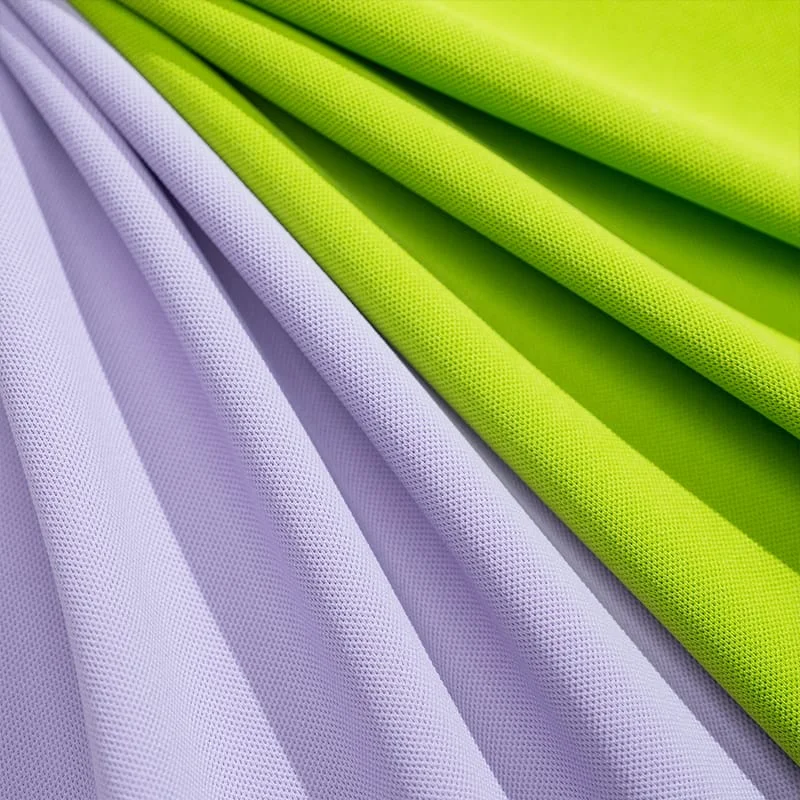
Distinctive Feature: Diamond-shaped geometric pattern resembling a bird's eye view.
Structure:
- Knitted construction with alternating raised and recessed areas
- Creates small diamond or hexagonal holes
- Typically 3-5mm hole size
- Double-knit structure (more substantial)
Visual Appearance:
- Distinctive diamond texture
- Professional, technical aesthetic
- Recognizable pattern
- Clean, organized look
Huada Product: HD8001 Bird's Eye Mesh (135gsm, 100% Polyester)
- Lightweight performance
- Distinctive diamond pattern
- Excellent breathability
- Quick-dry
- Durable structure
What is Regular/Athletic Mesh?
Characteristics: Plain mesh with small uniform perforations
Structure:
- Simple knit construction
- Uniform hole pattern
- Various hole sizes available
- Single or double-knit
Types:
- Fine Mesh: Very small holes, more opaque
- Medium Mesh: Balanced holes, most common
- Large Mesh: Maximum ventilation, may need lining
Visual Appearance:
- Simple, clean look
- Less textured than bird's eye
- Utilitarian aesthetic
Huada Products:
- HD8306 Matte Small Mesh (150gsm, 100% Polyester) - Fine mesh, matte finish
- HD6850 Eyelet Mesh (170gsm, 92/8 Poly/Spandex) - Decorative larger holes
Key Differences Comparison
1. Breathability/Air Permeability
Bird's Eye Mesh:
- CFM: 120-180 (very good)
- Diamond pattern creates air channels
- Good ventilation while maintaining structure
Regular Athletic Mesh:
- CFM: 100-300 (varies by construction)
- Fine mesh: 100-150 CFM
- Coarse mesh: 200-300 CFM
- Can achieve higher breathability with larger holes
Winner: Regular mesh (if coarse) for maximum breathability; Bird's eye for balanced performance.
2. Durability
Bird's Eye Mesh:
- Double-knit structure inherently stronger
- Raised pattern resists abrasion
- Less prone to snagging
- Maintains structure longer
Regular Athletic Mesh:
- Varies by construction quality
- Fine mesh more durable
- Coarse mesh less durable
- Can snag more easily
Winner: Bird's eye mesh for durability
3. Opacity/Coverage
Bird's Eye Mesh:
- Better opacity due to structured pattern
- Double-knit provides more coverage
- Suitable without lining in many applications
- Works for broader body types
Regular Athletic Mesh:
- Fine mesh: Good opacity
- Medium mesh: Moderate (may need lining)
- Coarse mesh: Poor (definitely needs lining)
Winner: Bird's eye for better coverage
4. Aesthetic Appeal
Bird's Eye Mesh:
- Distinctive, professional pattern
- Technical, athletic look
- Brand differentiation
- Premium appearance
Regular Mesh:
- Clean, simple aesthetic
- Neutral, versatile
- Less distinctive
- Functional appearance
Winner: Bird's eye for visual interest; Regular for simplicity
5. Weight
Bird's Eye Mesh:
- Typically 130-180gsm
- Slightly heavier due to double-knit
- More substantial hand feel
Regular Mesh:
- Ranges 100-200gsm depending on construction
- Can be lighter (fine constructions)
- Can feel insubstantial if too light
Winner: Tie - depends on construction and application needs
6. Cost
Bird's Eye Mesh:
- Moderate pricing
- More complex knitting = slightly higher cost
- $2.80-3.80/meter typical
Regular Athletic Mesh:
- Varies widely
- Simple constructions cheaper
- $2.50-4.00/meter range
Winner: Regular mesh often slightly cheaper
Performance Testing
Moisture Evaporation Rate:
- Bird's Eye: 3-4 hours to fully dry
- Regular Mesh (fine): 3-4 hours
- Regular Mesh (coarse): 2-3 hours
Abrasion Resistance (Martindale):
- Bird's Eye: 15,000-20,000 cycles
- Regular Mesh (quality): 12,000-18,000 cycles
- Regular Mesh (economy): 8,000-12,000 cycles
Pilling Resistance:
- Both: Generally excellent (mesh structures resist pilling)
- Quality of yarn matters more than mesh type
Best Applications
Bird's Eye Mesh Ideal For:
Running Tops:
- Distinctive pattern appeals to runners
- Good breathability without excessive transparency
- Durable for repeated washing
- Professional appearance
Training Apparel:
- Gym workouts
- Cross-training
- Multi-sport use
- Balances ventilation and coverage
Team Sports Jerseys:
- Soccer, basketball, volleyball
- Number/logo printing works well
- Durable for team use
- Recognizable athletic aesthetic
Corporate Athletic Wear:
- Company-branded activewear
- Professional appearance
- Embroidery-friendly
- Balances performance and polish
Huada HD8001 Perfect For: General-purpose athletic tops, running shirts, training wear
Regular Mesh Ideal For:
Maximum Ventilation Applications:
- Hot climate running
- Summer training
- High-intensity intervals
- Racing singlets
Layering Pieces:
- Base layers
- Under jerseys
- Ventilation panels
- Strategic placement
Budget-Conscious Lines:
- Value-oriented brands
- Mass-market sportswear
- Economy athletic wear
Minimal Aesthetic:
- Brands preferring simple designs
- Less pattern-focused styling
- Modern minimalism
Huada HD8306 Perfect For: Performance-focused applications, modern minimal designs
Design Considerations
Strategic Fabric Placement
Modern athletic tops often use multiple mesh types:
High-Ventilation Zones (Coarse Mesh):
- Underarms
- Upper back
- Center back panel
Moderate Zones (Bird's Eye or Fine Mesh):
- Front chest (maintain modesty/branding surface)
- Sleeves
- Lower back
Benefits:
- Ventilation where needed most
- Professional front appearance
- Cost optimization
- Performance enhancement
Printing and Decoration
Bird's Eye Mesh:
- Screen printing: Good (flat areas between diamonds)
- Heat transfer: Good
- Sublimation: Excellent
- Embroidery: Good (stable structure)
Regular Mesh:
- Screen printing: Fair to good (depends on hole size)
- Heat transfer: Good
- Sublimation: Excellent
- Embroidery: Fair (may distort with large holes)
Quality Indicators
For Both Mesh Types, Check:
- Uniformity: Consistent hole size and spacing throughout
- Structure: No irregular areas or dropped stitches
- Weight Consistency: ±5% across fabric width
- Color Fastness: AATCC Grade 4+ (especially bright colors)
- Dimensional Stability: Minimal shrinkage (<2% for polyester)
Care and Maintenance
Both Mesh Types:
- Machine wash cold/warm
- Tumble dry low or air dry
- No special care required
- Avoid fabric softeners (reduces wicking)
- Turn inside out to protect surface
Durability:
- Both withstand 100+ wash cycles with proper care
- Polyester maintains performance throughout lifespan
Market Trends
Bird's Eye Mesh:
- Classic, timeless pattern
- Consistent demand
- Professional/corporate market strong
- Premium positioning
Regular Mesh:
- Minimalist trend driving simple meshes
- Performance market prefers coarser constructions
- Fashion/athleisure uses fine mesh
Both Growing:
- Activewear market expansion benefits both
- Different market segments for each
Pricing Comparison
FOB China 2026 Estimates:
Bird's Eye Mesh (HD8001 equivalent):
- 135gsm: $2.80-3.20/meter
- Stock colors
- Custom colors: +$0.30-0.50/meter
Regular Athletic Mesh:
- Fine (150gsm): $2.60-3.00/meter
- Medium (140gsm): $2.50-2.90/meter
- Coarse (120gsm): $2.40-2.80/meter
Difference: Minimal; quality and volume matter more than mesh type
Sustainability
Both Mesh Types:
- Available in recycled polyester
- Same environmental considerations
- Lower material usage (holes) = slight material savings
- Excellent durability = longer product life
Recycled Options:
- GRS-certified recycled polyester available
- 5-10% cost premium
- Performance equivalent to virgin
Conclusion
Bird's eye mesh offers a balanced solution with good breathability, superior durability, better opacity, and distinctive aesthetic—ideal for general athletic wear, team sports, and corporate activewear. Regular athletic mesh provides options from fine (more opaque) to coarse (maximum ventilation), perfect for applications requiring specific performance characteristics.
Choose Bird's Eye Mesh When:
- Professional appearance important
- Durability priority
- All-purpose athletic wear
- Brand differentiation desired
- Huada HD8001 recommended
Choose Regular Mesh When:
- Maximum breathability needed
- Minimalist aesthetic preferred
- Budget-conscious
- Specific ventilation requirements
- Huada HD8306 (fine) or custom options
At Huada Creation, both HD8001 Bird's Eye Mesh and HD8306 Matte Mesh provide excellent performance, durability, and value for your sportswear applications.
Explore Mesh Options: